
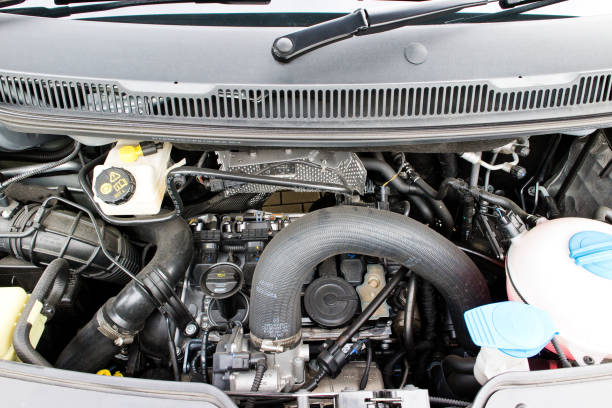
Have you ever spotted an oily film building up around your engine’s intake hoses and had absolutely no idea where it was coming from?
That kind of mystery has a way of sitting in the back of your mind every time you open the bonnet. The oil separator membrane is one of the most common causes of exactly that scenario, and yet it is one of the least talked about components in everyday car maintenance conversations.
The encouraging reality is that once you understand what this membrane does, why it wears out, and how straightforward the fix actually is, the whole situation becomes far less stressful and far more manageable.
What the Oil Separator Membrane Does
The oil separator is a component of the crankcase ventilation system. Its specific job is to intercept oil mist that gets carried along with the blowby gases moving through the engine and separate it before those gases re-enter the intake system.
Without doing its job accurately, oil mist travels into areas of the engine where it causes buildup, contamination, and progressively messier operation over time.
Its Role in Protecting the Intake System
When blow-by gases exit the crankcase, they carry fine oil droplets suspended in them. Those droplets need to be separated before the gas is recirculated back into the combustion process.
The oil separator catches and collects that oil mist, returning the oil to the sump and allowing only clean gas to pass through to the intake. This keeps the intake manifold, intercooler, and throttle body free from oil contamination.
How the Membrane Makes It Work
Inside the oil separator sits a flexible membrane that responds to pressure differences within the ventilation system. This membrane controls the flow rate and direction of gases through the separator, making sure the separation process happens accurately across a range of engine operating conditions.
A correctly functioning membrane keeps the system calibrated. When it begins to degrade, the oil separator loses the precision it depends on to do its job properly.
Why Oil Separator Membranes Fail
Membrane failure is a natural part of the component’s service life. The conditions inside the crankcase ventilation system are genuinely demanding, and the membrane handles them quietly for a long time before showing any signs of wear.
Understanding the specific causes of failure helps you approach this maintenance task with confidence and catch it at exactly the right moment.
The Main Causes of Membrane Degradation
- Heat exposure: The membrane operates in proximity to a hot engine. Sustained heat gradually hardens the rubber, reducing its ability to flex accurately under pressure.
- Oil vapour contact: The constant flow of oil-laden gases through the separator slowly breaks down the membrane material over time.
- Mechanical fatigue: Every pressure cycle the membrane goes through adds incremental wear. After enough operating hours, the material loses its elasticity and sealing accuracy.
- Age: Sometimes the simplest explanation is the correct one. A membrane that has been in continuous service for a long period has simply reached the natural end of its useful life.
The good news is that volkswagen oil separator membranes are a well-documented service item, and replacement membranes made to exact original specifications are widely available and straightforward to source.
Symptoms That Tell You It Is Time to Act
- Oil mist or residue around the intake hose, air filter housing, or throttle body
- An oily film is building up inside the intercooler pipes
- Increased oil consumption without any visible external leak
- A rough or inconsistent idle that does not resolve itself
- A burning oil smell from the engine bay during or after driving
How to Replace It the Right Way
The repair process for a worn oil separator membrane is more accessible than most drivers initially assume. The component itself is reachable in most engine configurations, and the fix targets only the part that has actually worn out.
This is one of the most cost-effective maintenance tasks you can carry out on a crankcase ventilation system, and the results are immediate and measurable.
Why Replacing Just the Membrane Makes Sense
The oil separator housing is a durable component that routinely outlasts the membrane by a significant margin. In the overwhelming majority of cases, the housing is still fully functional when the membrane needs replacing.
That means a full separator replacement is rarely necessary. A membrane repair kit gives you everything needed to restore accurate operation to the existing unit without any unnecessary expenditure on components that still have plenty of life in them.
Matching the Replacement to Your Engine
Dimensional accuracy is the single most important factor when choosing a replacement membrane. The thickness, diameter, and flexibility of the new membrane must match the original specifications precisely for the separator to regulate pressure and oil separation the way the engine expects.
A membrane that is off in its measurements, even slightly, will not restore the system to its original level of accuracy. Always source a replacement that is matched to your specific engine code and variant.
A full list of compatible membranes organised by engine application is available at https://klifex.com/membranes-pcv-egr-oil-separator/volkswagen-oil-separator-membranes, making it straightforward to identify the correct part before you begin the repair.
Giving Your Engine the Clean System It Deserves
The oil separator membrane does patient, consistent work inside your engine every single time you drive. It keeps oil out of the intake, maintains ventilation system accuracy, and protects components that would be far more expensive to address if contamination were allowed to build up unchecked.
Spotting the symptoms early, choosing a targeted membrane repair over a full assembly replacement, and sourcing a part matched precisely to your engine specification, those three steps are all it takes to keep this system doing its job well for a long time to come.


More Stories
Dent Repair in Car Restoration Made Simple and Fast
Classic Car Body Restoration Tips for a Perfect Finish
Car Restoration Cost Guide What You Should Expect to Pay